Upholding Unity: Ending the Vandalization of Places of Worship
By Rania Khan Fogarty
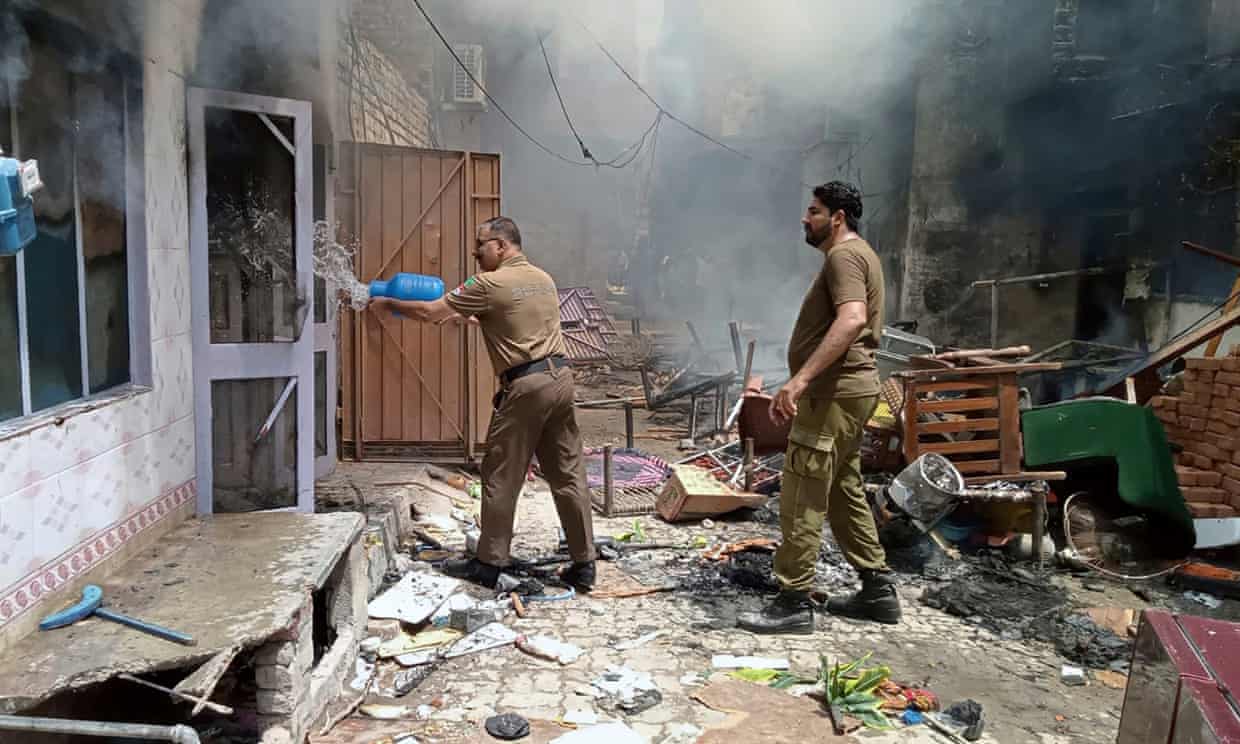
Recent events remind us of the urgent need to protect places of worship as symbols of peace, faith, and community. The burning of a church on the outskirts of Faisalabad on August 16, 2023, following accusations of blasphemy against a Christian family, highlights the destructive consequences of intolerance and the importance of preserving our sacred spaces. In this blog post, we will delve into the significance of this incident and discuss why it's crucial to halt the vandalization of prayer places.
The Faisalabad Incident: A Grim Reminder
The tragic incident in Faisalabad serves as a grim reminder of the escalating consequences that intolerance can have on our society. Accusations of blasphemy and subsequent attacks on a church not only result in the destruction of a religious site but also fuel animosity between different religious communities. Instead of promoting understanding and unity, such actions breed hatred and fear. This incident underscores the need for open dialogue and collaboration to address grievances rather than resorting to violence and vandalism.
Places of worship hold deep significance for communities, acting as hubs for spiritual connection and fostering a sense of belonging. Regardless of faith, the attack on a church is an attack on the values of religious freedom and coexistence. The Faisalabad incident demonstrates that protecting these spaces is not just a responsibility for specific religious groups but for society as a whole. When we stand together to safeguard prayer places, we send a powerful message that our differences can coexist harmoniously and that violence has no place in our quest for understanding.
The cycle of vandalization and destruction of places of worship can only be broken through education, empathy, and legal accountability. Rather than resorting to mob justice or violent actions, accusations of blasphemy or any grievances should be addressed through the proper legal channels. Governments and law enforcement agencies play a pivotal role in ensuring that justice is served without instigating violence. Religious leaders and communities, too, hold the responsibility of promoting a culture of tolerance and respect, emphasizing that differences in belief should not lead to hatred.
Last but not the least , the burning of a church near Faisalabad stands as a stark reminder of the dire consequences of intolerance and violence directed at places of worship. Our collective responsibility to protect prayer places from vandalization transcends religious boundaries and calls for unity, understanding, and empathy. By promoting open dialogue, respecting diverse beliefs, and fostering an environment of peaceful coexistence, we can strive to prevent future incidents like the one in Faisalabad and work towards a world where prayer places remain sanctuaries of harmony and reverence.


Comments
Post a Comment